Assessment
- Individual conferences with children
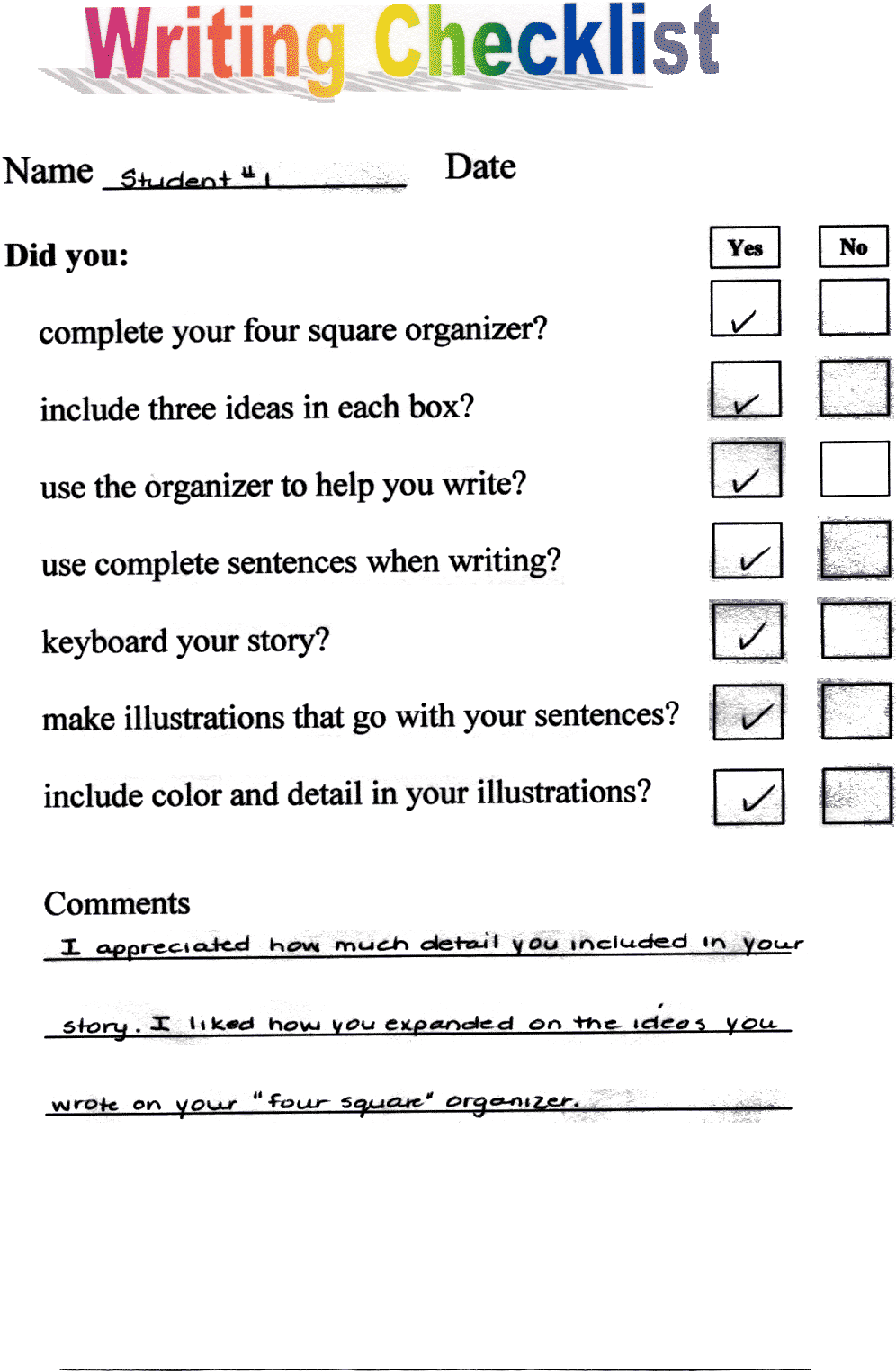
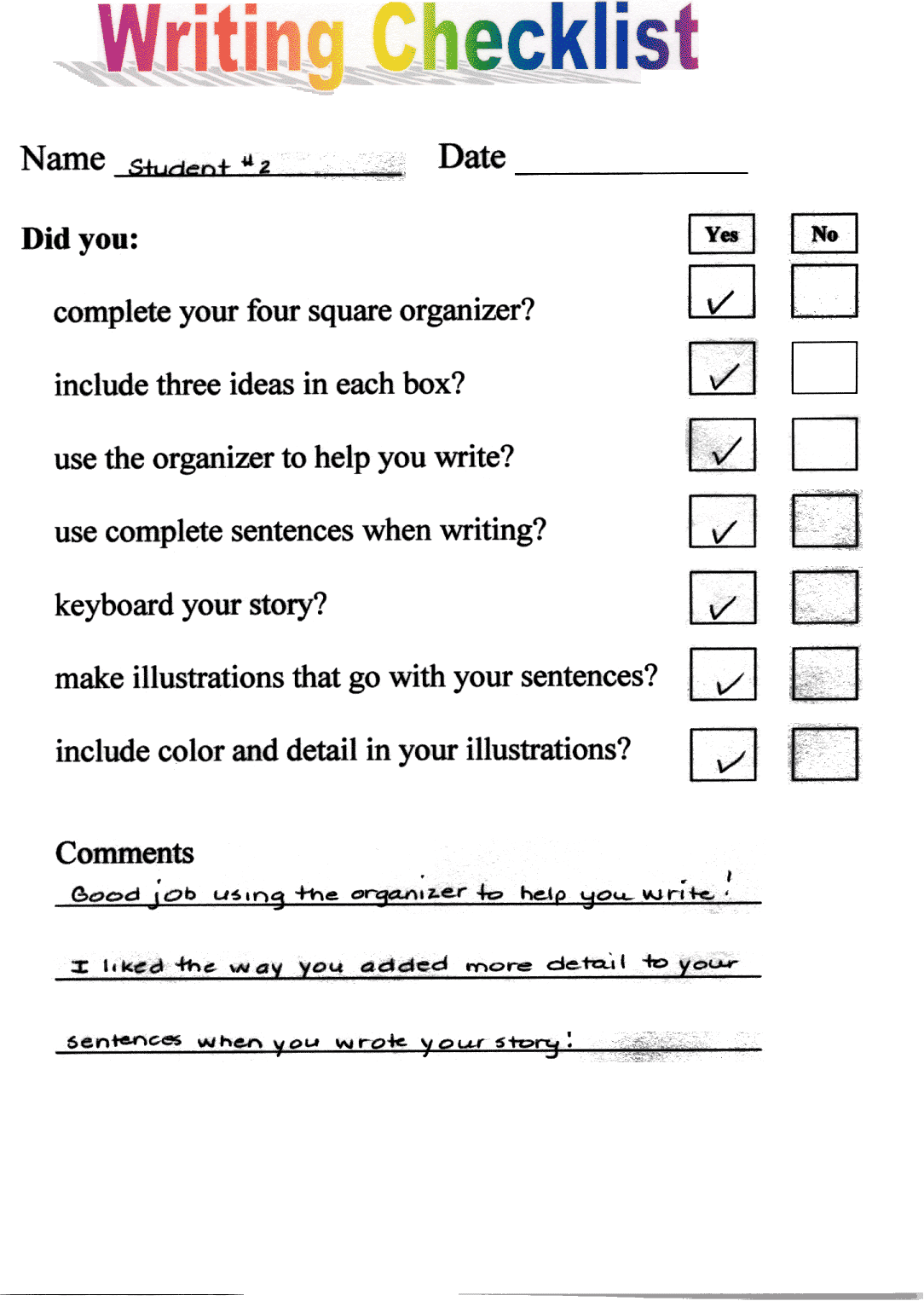
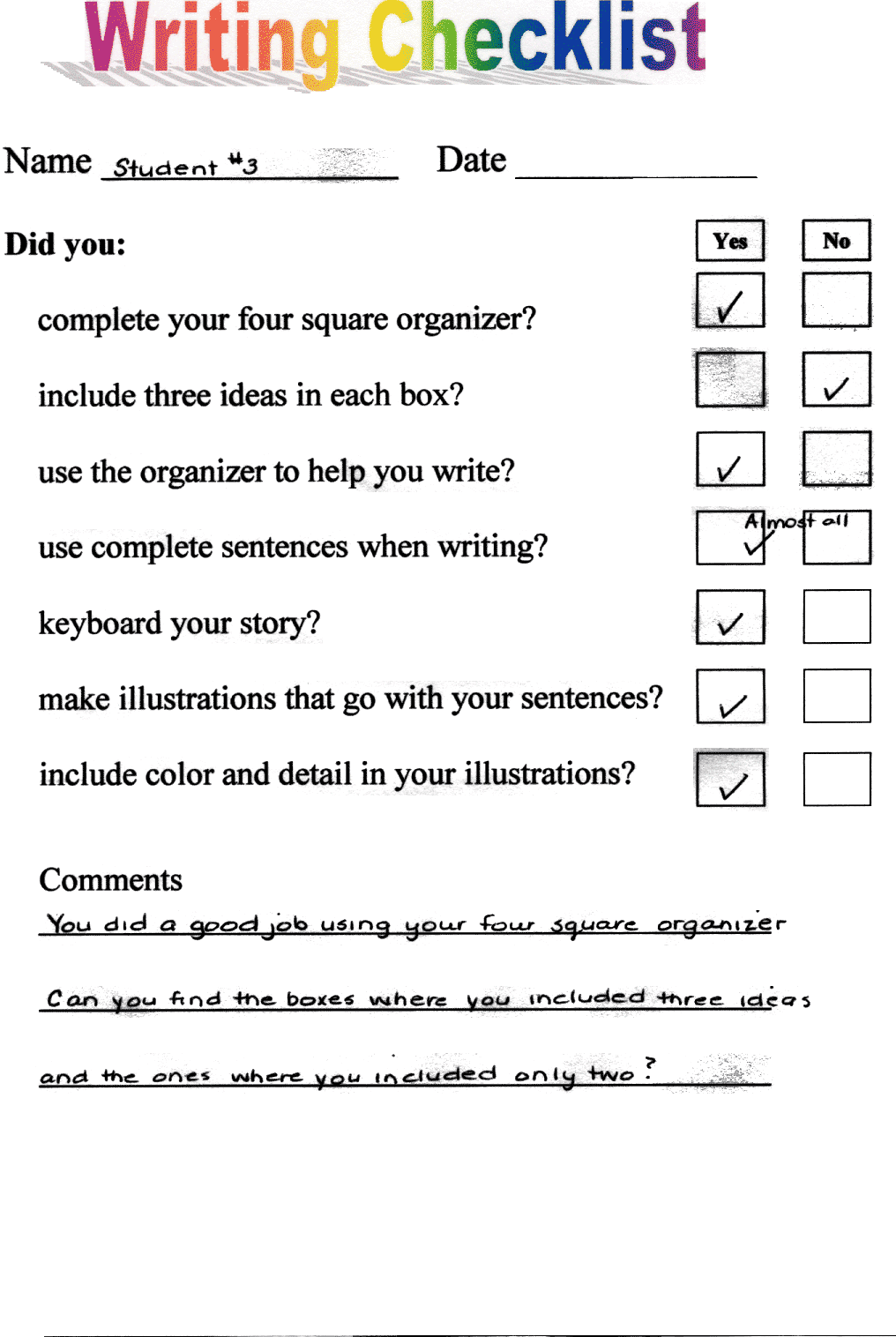
- Second Grade Writing Checklist - teacher developed (See Writing Checklist in the Related Resource section)
Learning Context/ Introduction
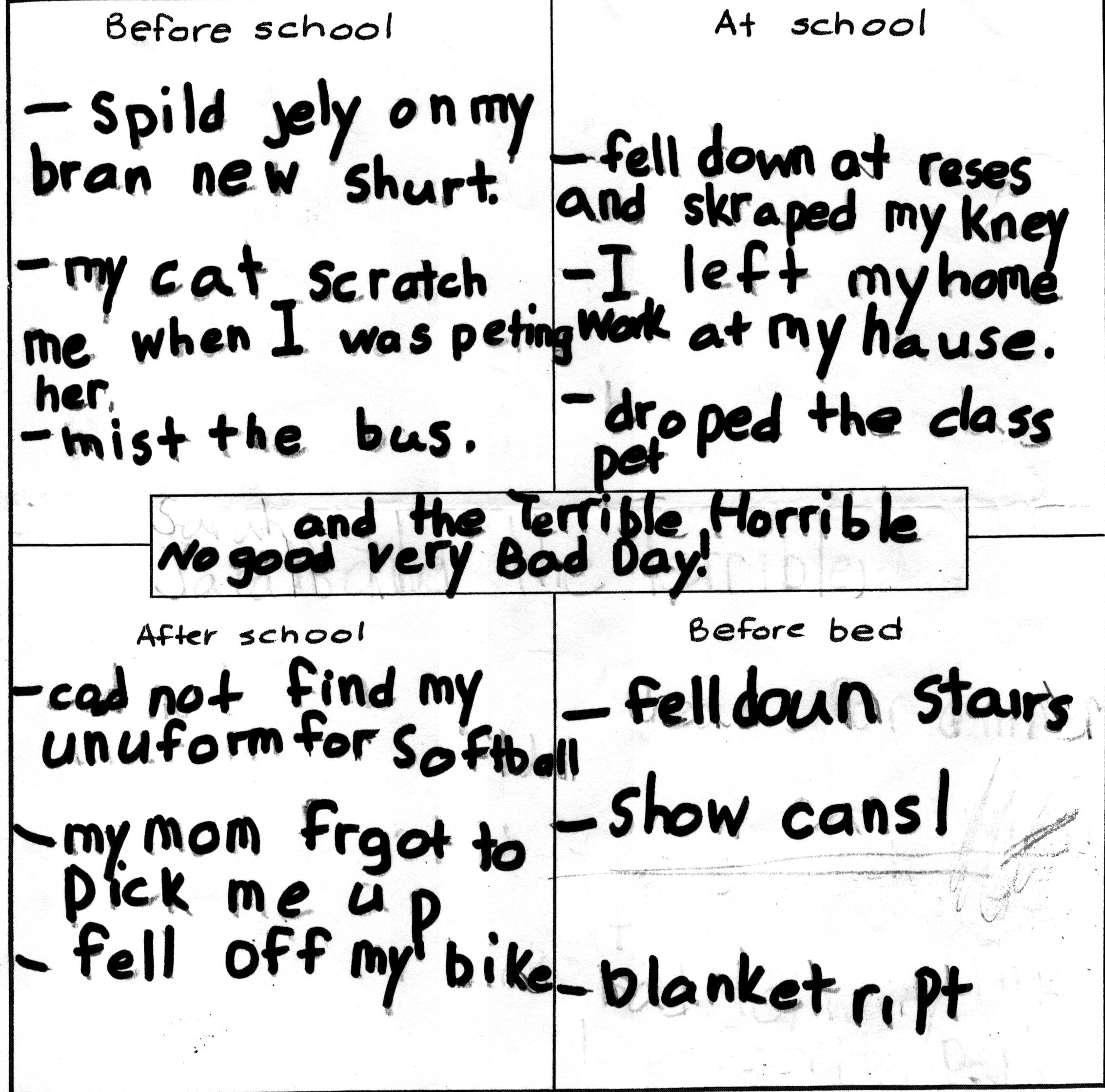
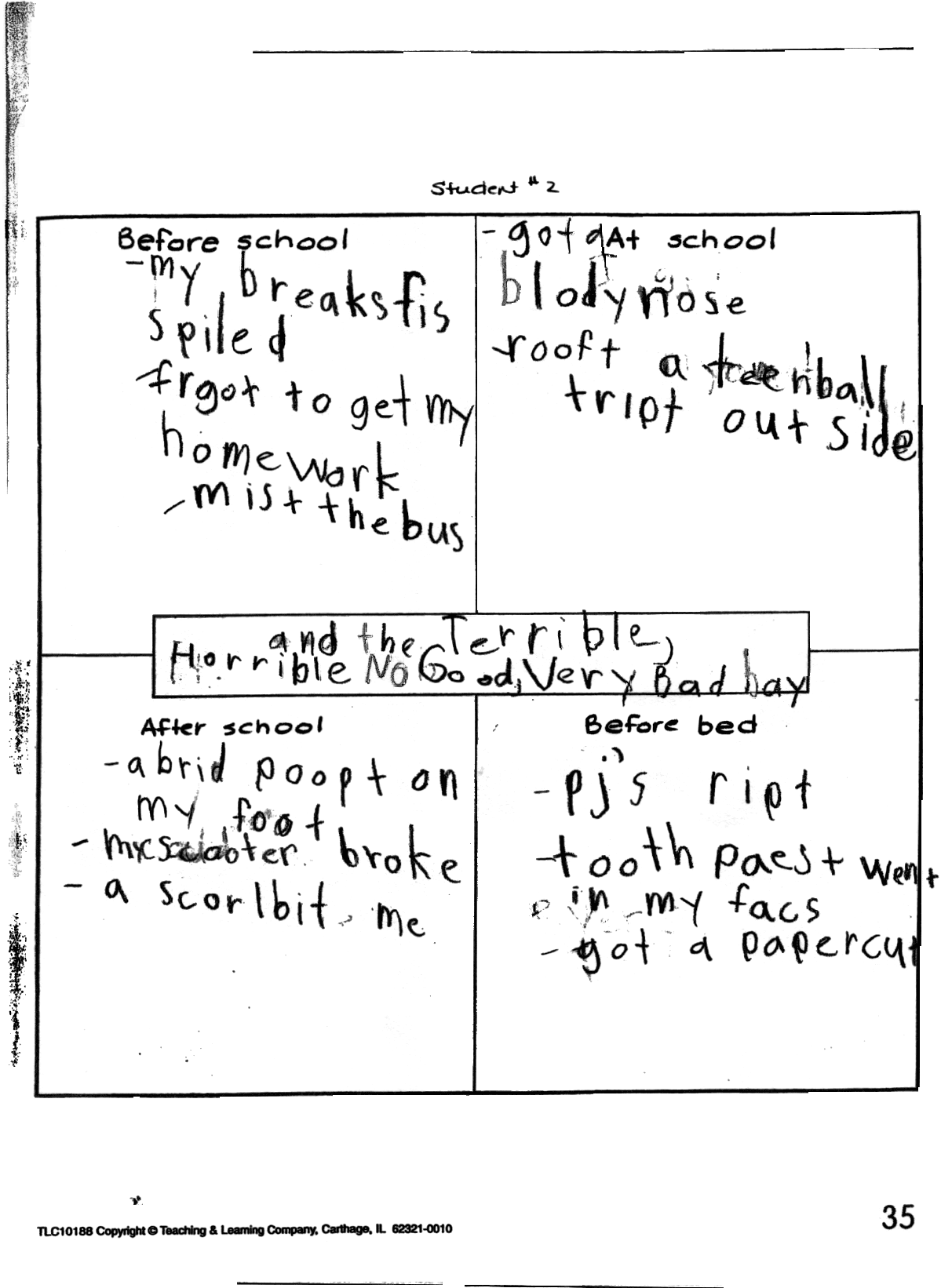
As a part of our author study of Judith Viorst, I read her book, Alexander and the Terrible, Horrible, No Good, Very Bad Day. Discussion about the events and sequence of Alexander’s day followed. The class was asked to write a take-off story about a day in their life that would compare with Alexander’s. As a prewriting activity, the children were required to complete a “four square” organizer. Using their organizers, the class then wrote, keyboarded, and illustrated their books. This type of response experience would be used in second grade to provide an opportunity for students to utilize a graphic organizer as an aid when writing. In addition, it would require that they use their personal experiences and themes from other texts to stimulate their own writing.
Duration
Implementation
- First day – approximately 30 minutes for the reading of the story and follow-up discussion
- Second day – approximately 25 minutes for the completing of the four square pre-write
- Third day – approximately 30 minutes for the writing of the stories
- The typing of the children's stories took about ten days.
- Likewise, the editing of the student's keyboarded stories took several days and was done whenever it was possible during the day.
Assessment
- Ongoing - for several days, I conferenced with the children about the completeness of their four square organizers as well as their stories and illustrations
Instructional/Environment Modifications
Since my class included two CSE children whose language and writing and skills were not as proficient as their classmates, either my aide or myself worked with those children on completing their four square organizers. In addition, we provided assistance with recording the sentences that the children dictated particularly if just formulating the sentences required all their writing time. Having them continue writing their sentences independently at home was not an option.
Procedure
After reading the book, Alexander and the Terrible, Horrible, No Good, Very Bad Day, I asked the children to recall the many things in the story that had happened to Alexander. Answers included specific information about what the author had mentioned in her story.
I then asked the children to think of the way that Judith Viorst had included the events in Alexander's day. They responded by mentioning the events were told in the order of his day – in the morning before school, at school, after school, and in the evening.
The next day the children were directed to complete a “four square” pre-write to organize their ideas about a day that they might have had that was likewise horrible. Once this was completed, on the third day the class then used their organizers to write their take-off stories. Writing time was provided at school. If students needed more time, they also worked on their stories for homework.
The children's completed stories were shared with others at their table groups. Children acted as peer editors.
Although the children had had many opportunities to keyboard during the year, we reviewed the meaning of the editing symbols. Using the three computers in my classroom as well as the computers in our lab, the children keyboarded their own stories using a book template. To decrease the amount of time that this would take, I did provide the children with certain pages of text that would be included in all of their books. The children's stories were then edited by myself, a teacher's aide, and by parent volunteers. The children illustrated their stories and then the covers were laminated and the books were bound.
Reflections and Feedback
Although I don't consider this lesson to be very unique, I would definitely plan on doing it again for several reasons. First of all, I feel that this experience proved to be very motivating and appealing to my second graders. They enjoyed the silliness of everyone's stories as well as the keyboarding time. I also found that the presence of the editing symbols on the monitor was a great motivator for the children to correct their own spelling and grammatical errors. There was a definite increase in the children's use of spelling resources in the room (e.g. the word wall, Words I Use When I Write books, and dictionaries). Secondly, it required that they demonstrate many different writing competencies. To be successful with the writing of a story adaptation assignment, the children need to:
- learn and use the “writing process” (prewriting, drafting, revising, proofreading)
- use resources such as personal experiences and themes from other texts and performances to stimulate own writing
- use an organizational format that reflects a beginning, middle, and end
- use revision strategies to develop writing, including conferring with teachers and peers, and cut and paste
- use word processing
Now that I have Kidspiration software, the next time that I do this lesson I would like to have the children use it for the prewriting phase of this assignment rather than the “four square” organizer.
Student Work
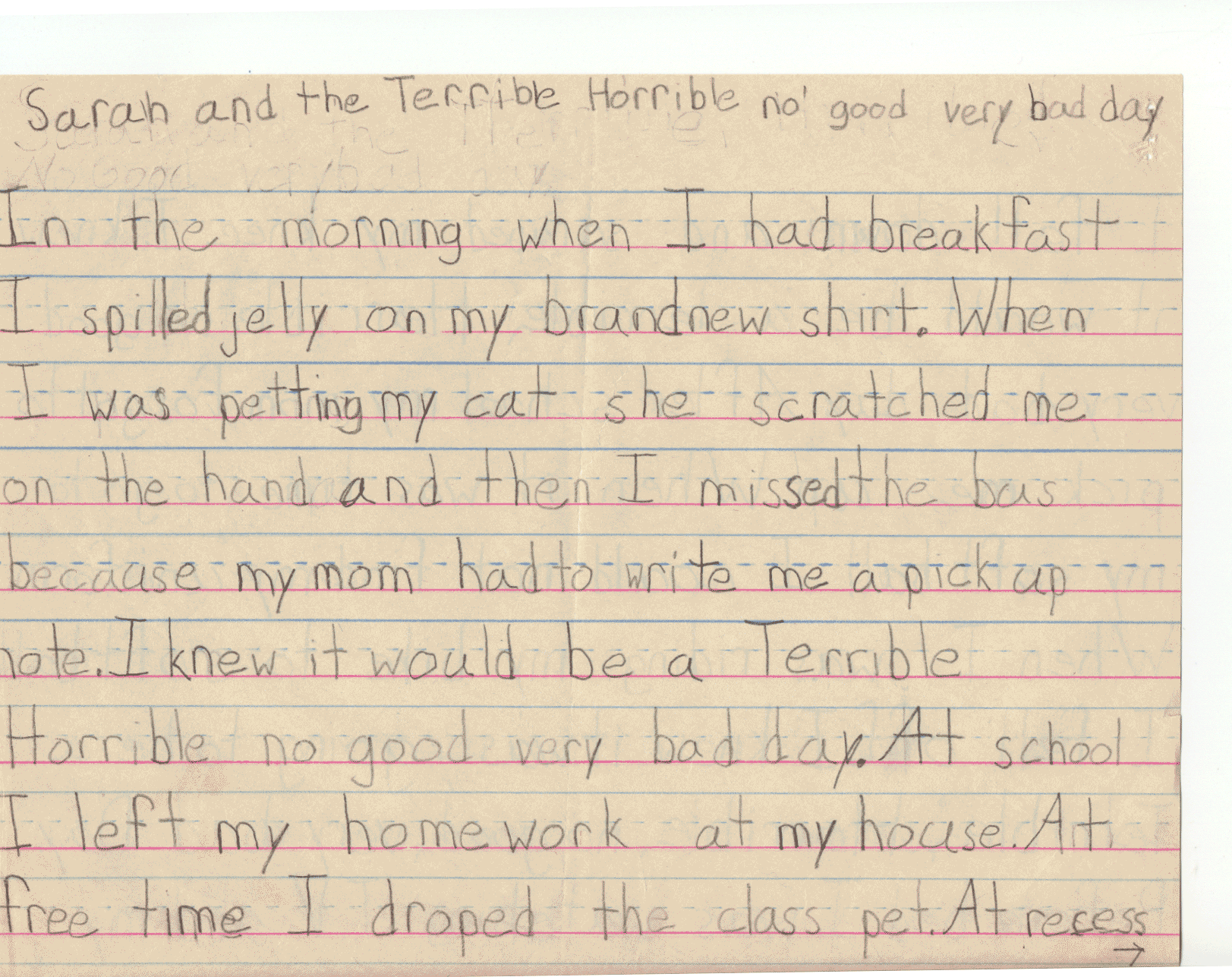
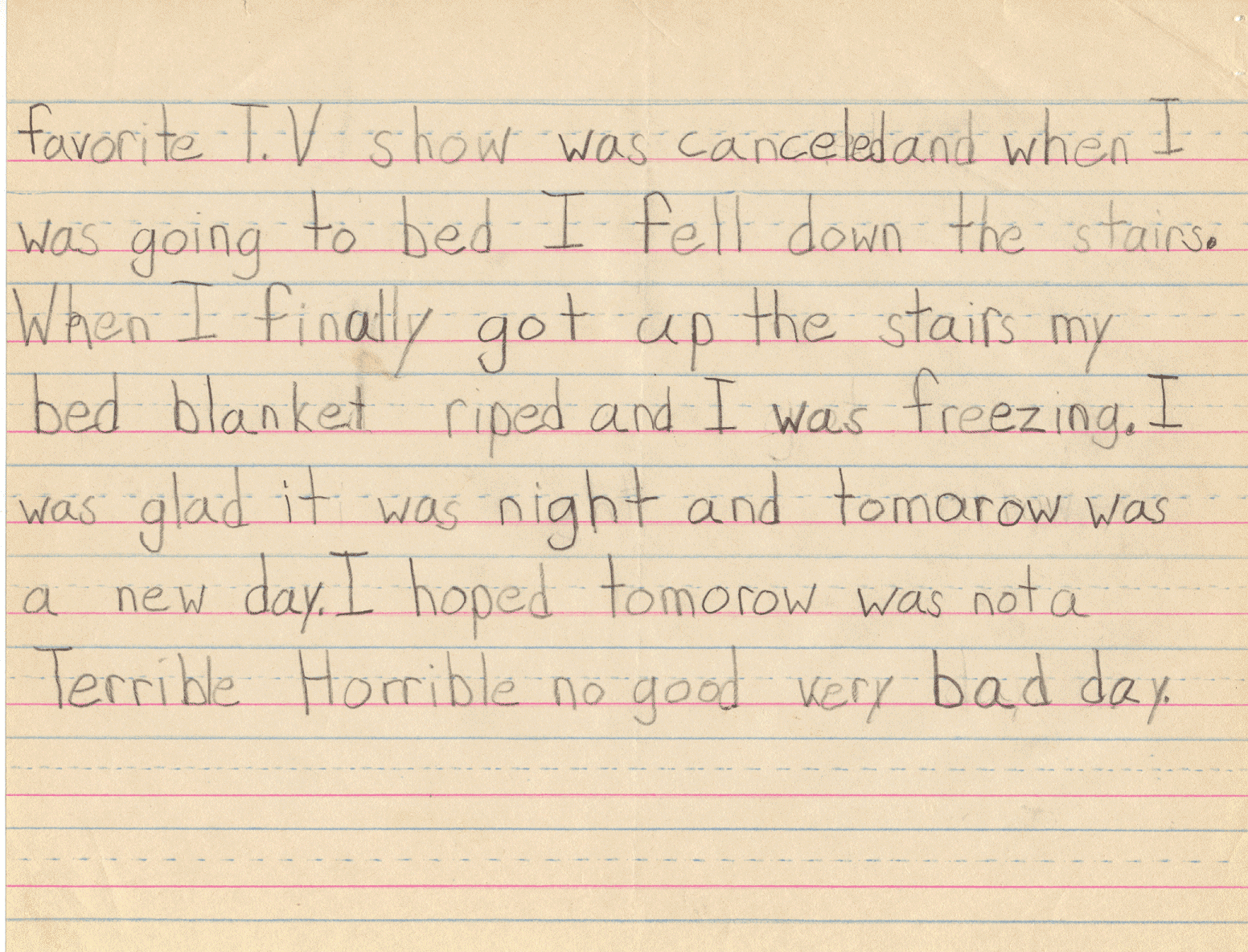
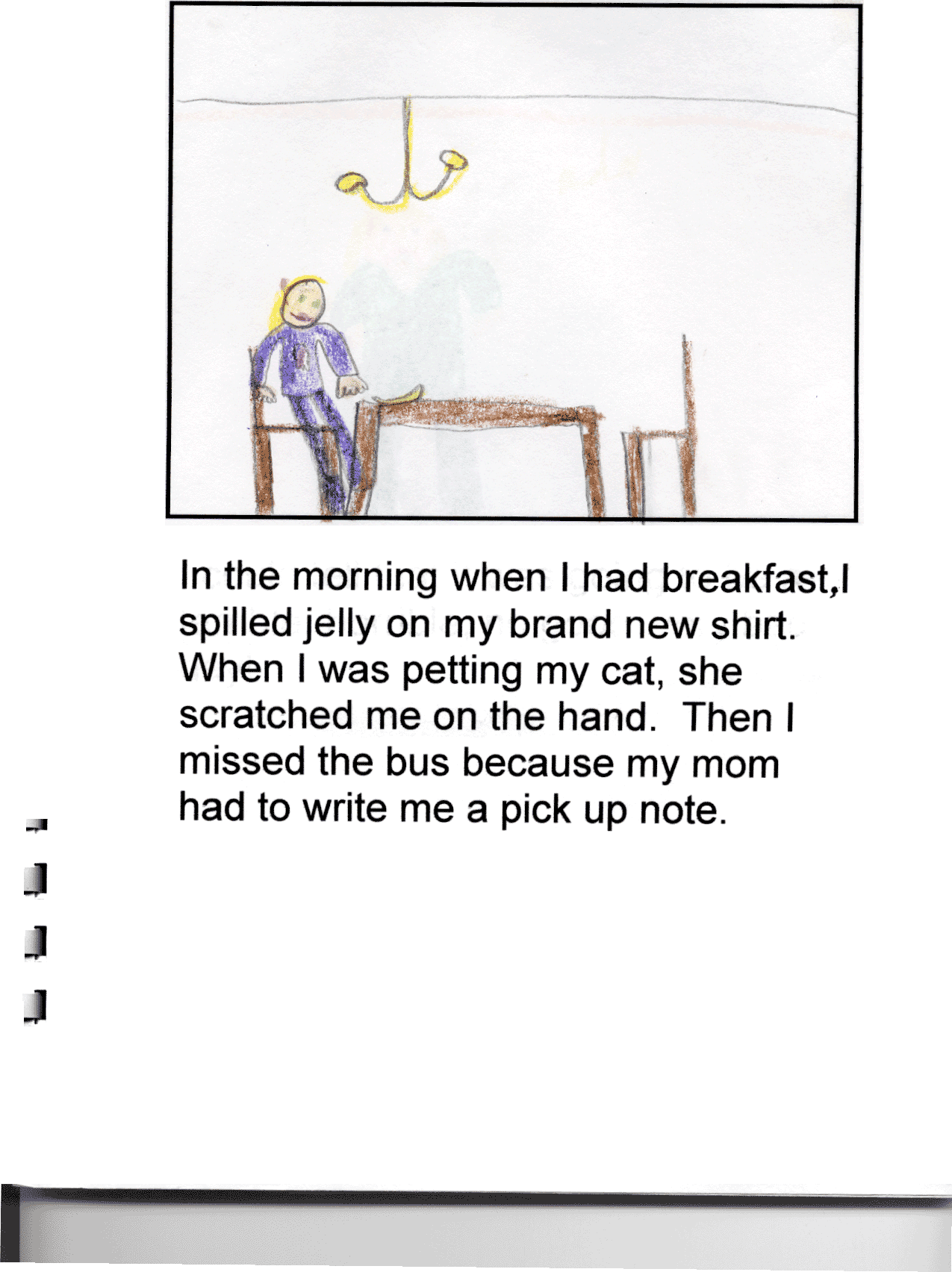
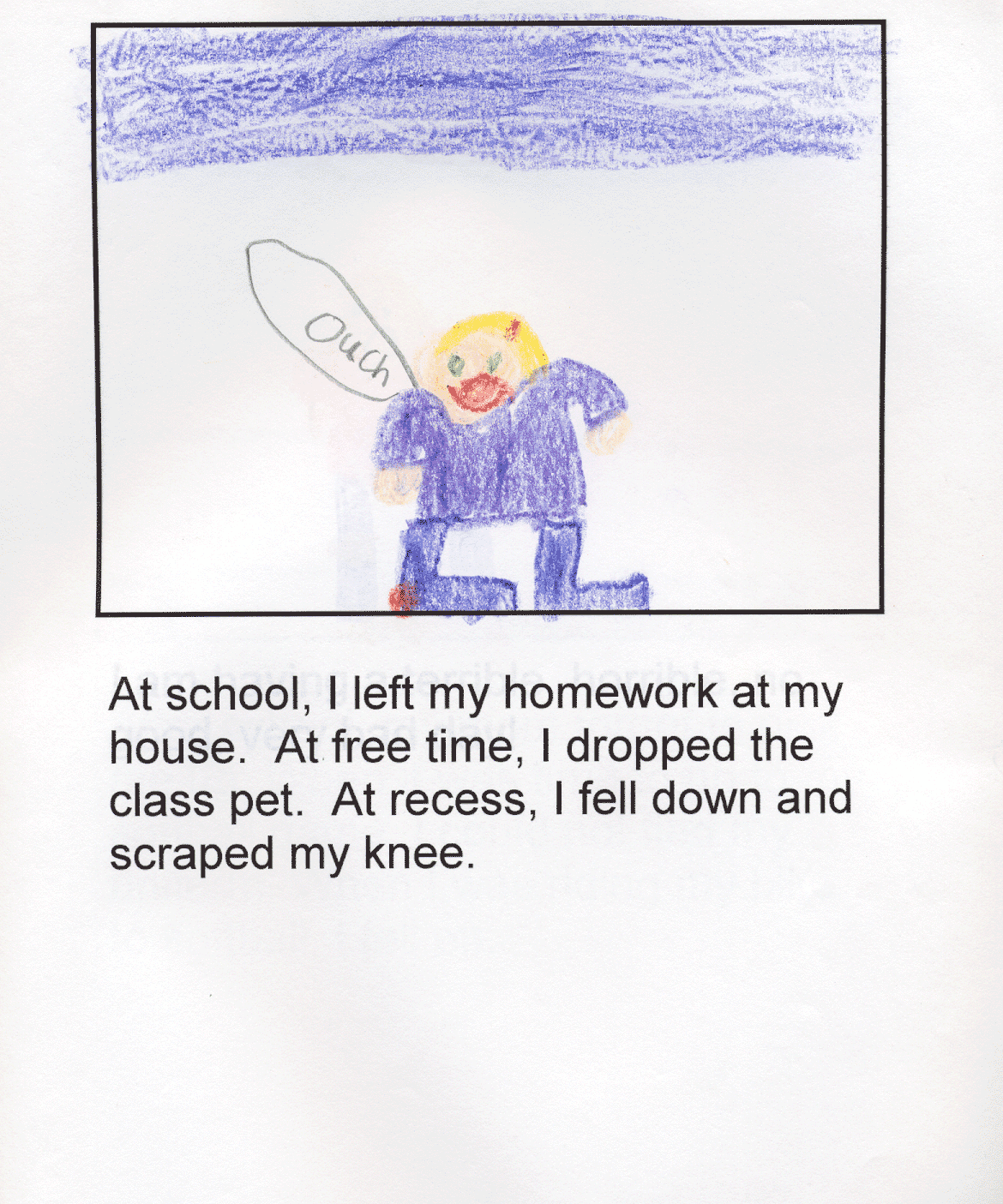
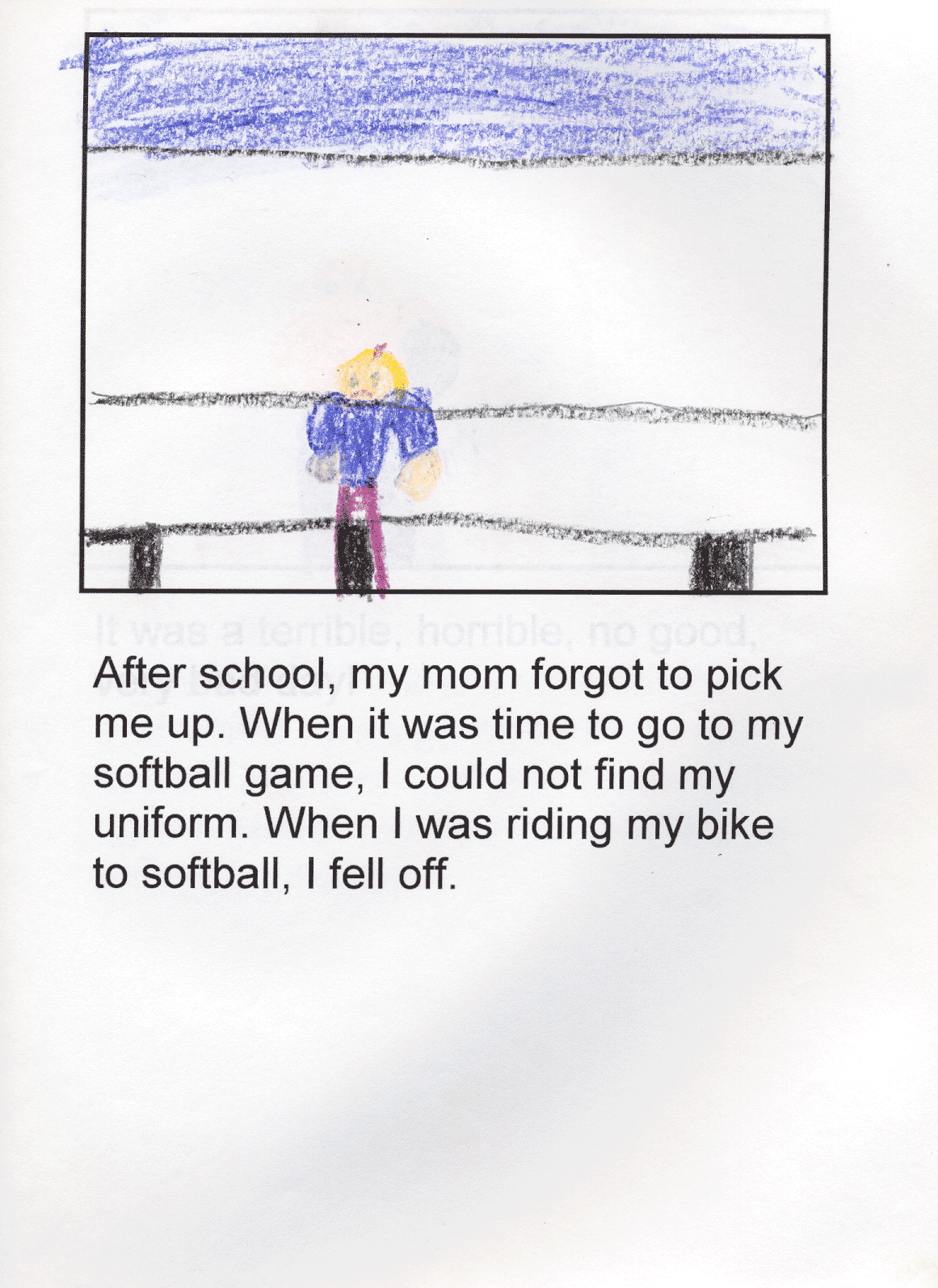
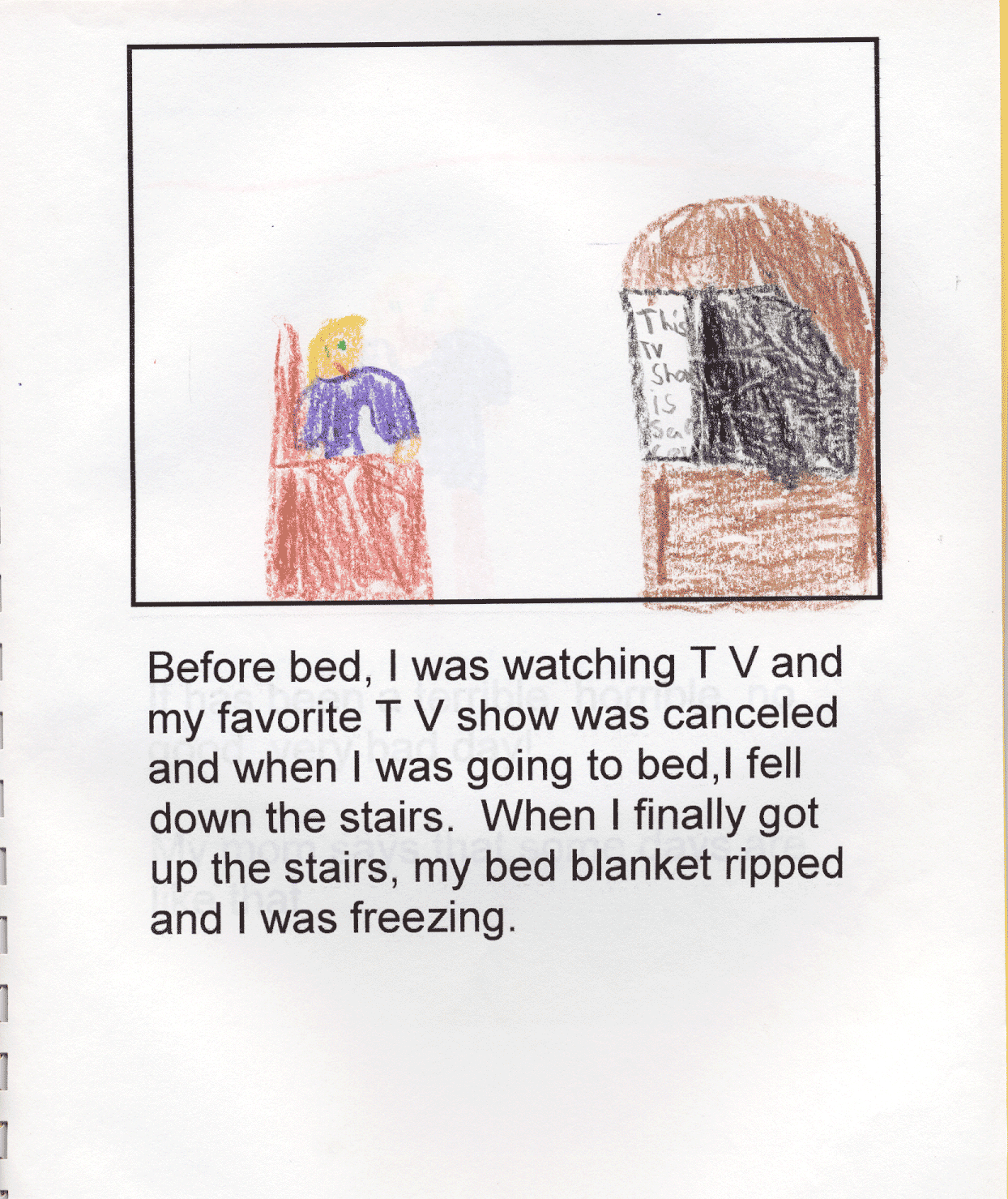
I chose Student #1's work as an example of a distinguished second grader's writing. Student #1's sample demonstrates her ability to complete and use the four square organizer. She uses phrases on the organizer and then incorporates them into her sentences. She often expands upon and adds more detail in her writing. For example, she tells why she missed the bus, where the cat scratched her, and what happened when her blanket ripped. Length of writing alone does not indicate a level of mastery. However, seven and eight year olds who are not as confident with the writing process will tend to limit the number of words in a sentence as well as the number of sentences they write in an assignment. Student #1's sentences often are quite lengthy. I was impressed with the sophistication in her sentence structure. Sentence beginnings often include the use of multiple prepositional phrases. In addition, she was comfortable with using a variety of spelling resources in the room during writing time. Her illustrations nicely compliment her text and are detailed and colorful.
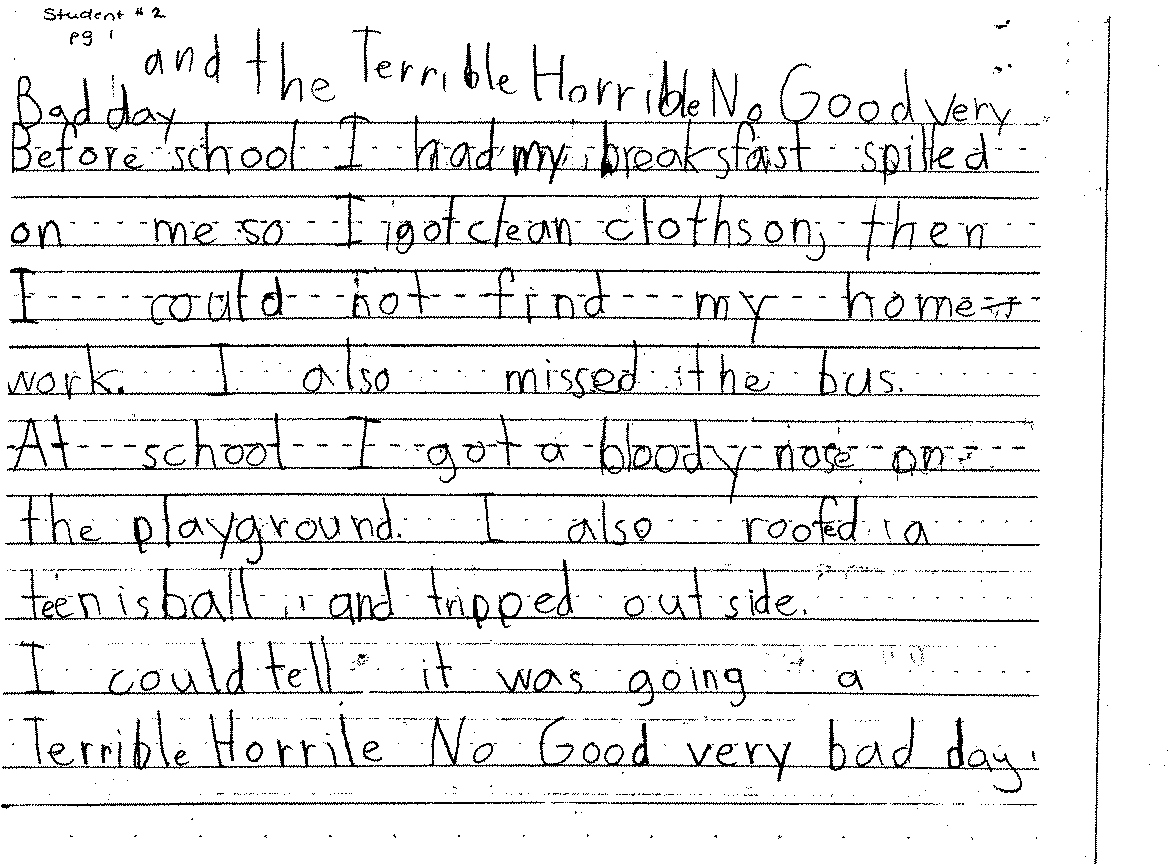
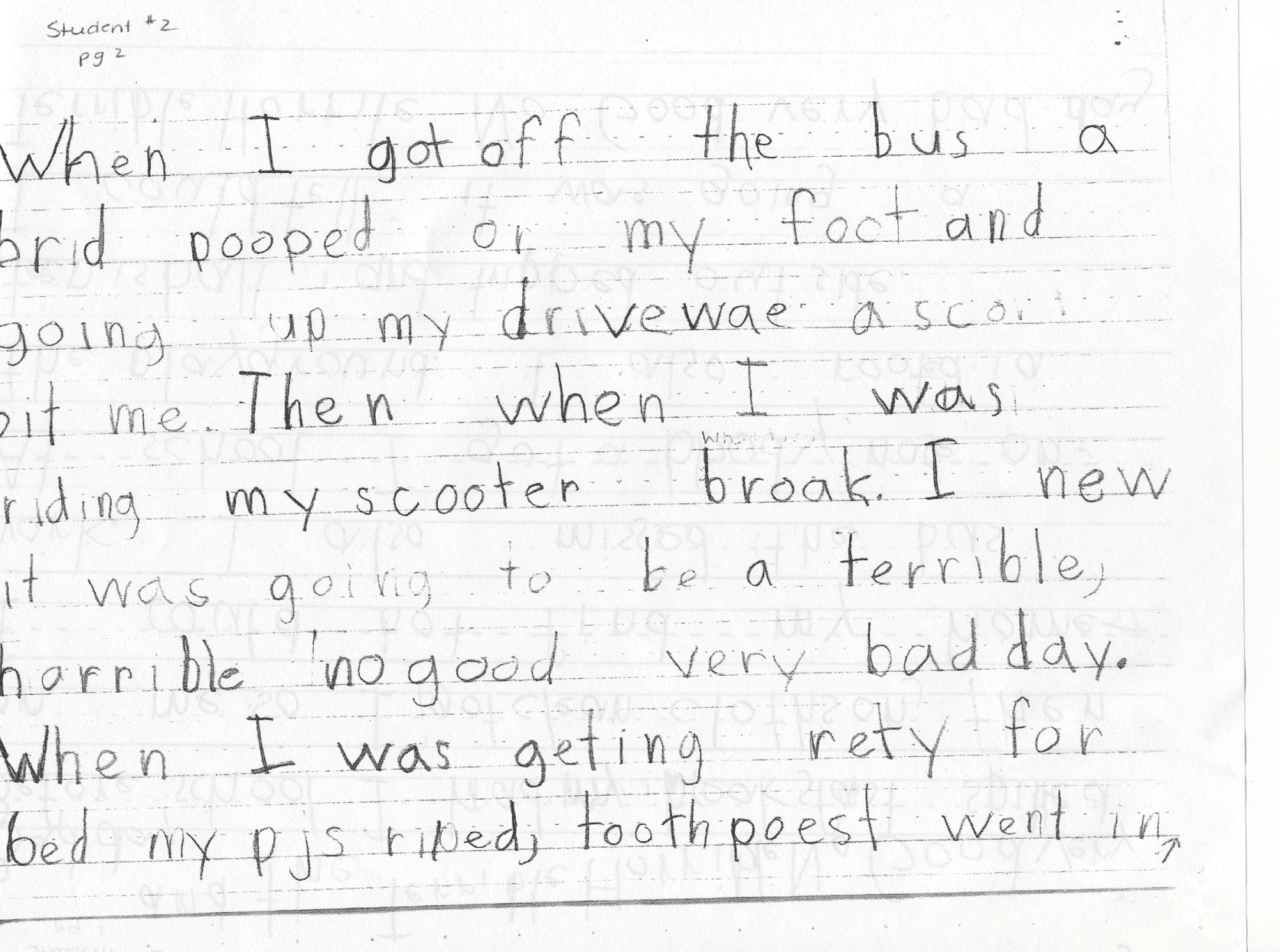
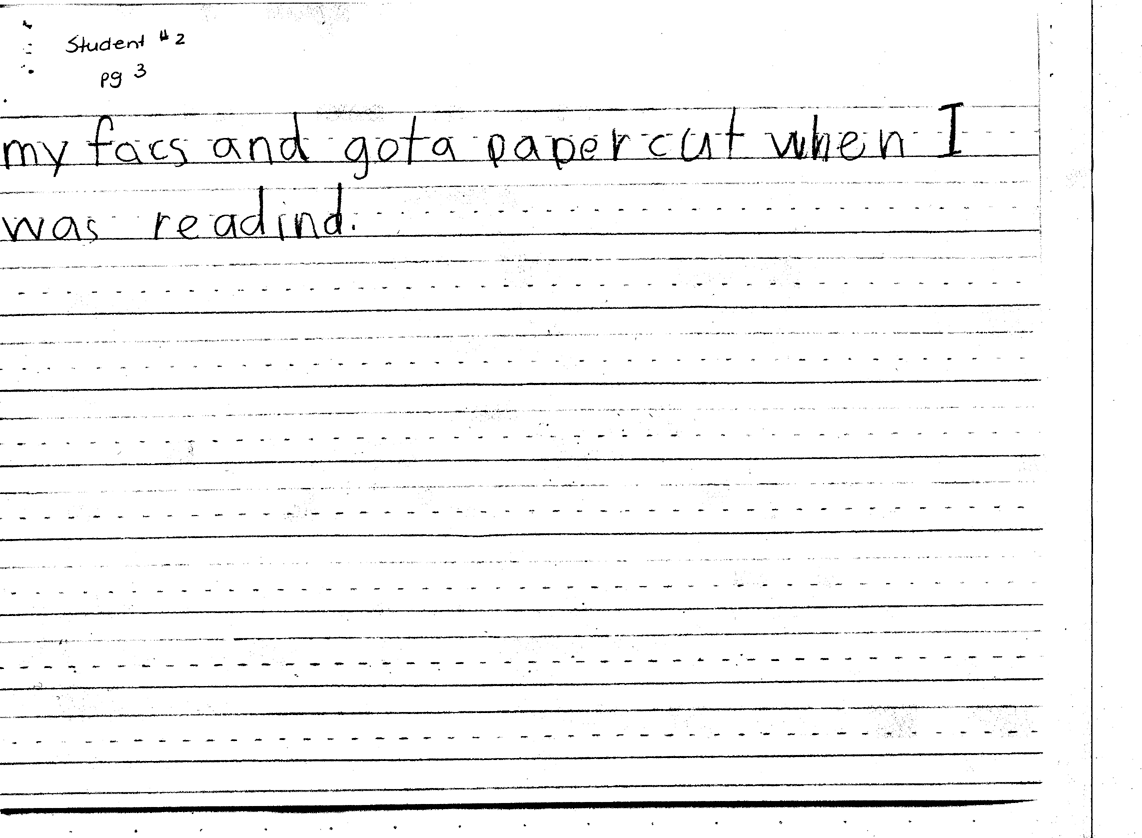
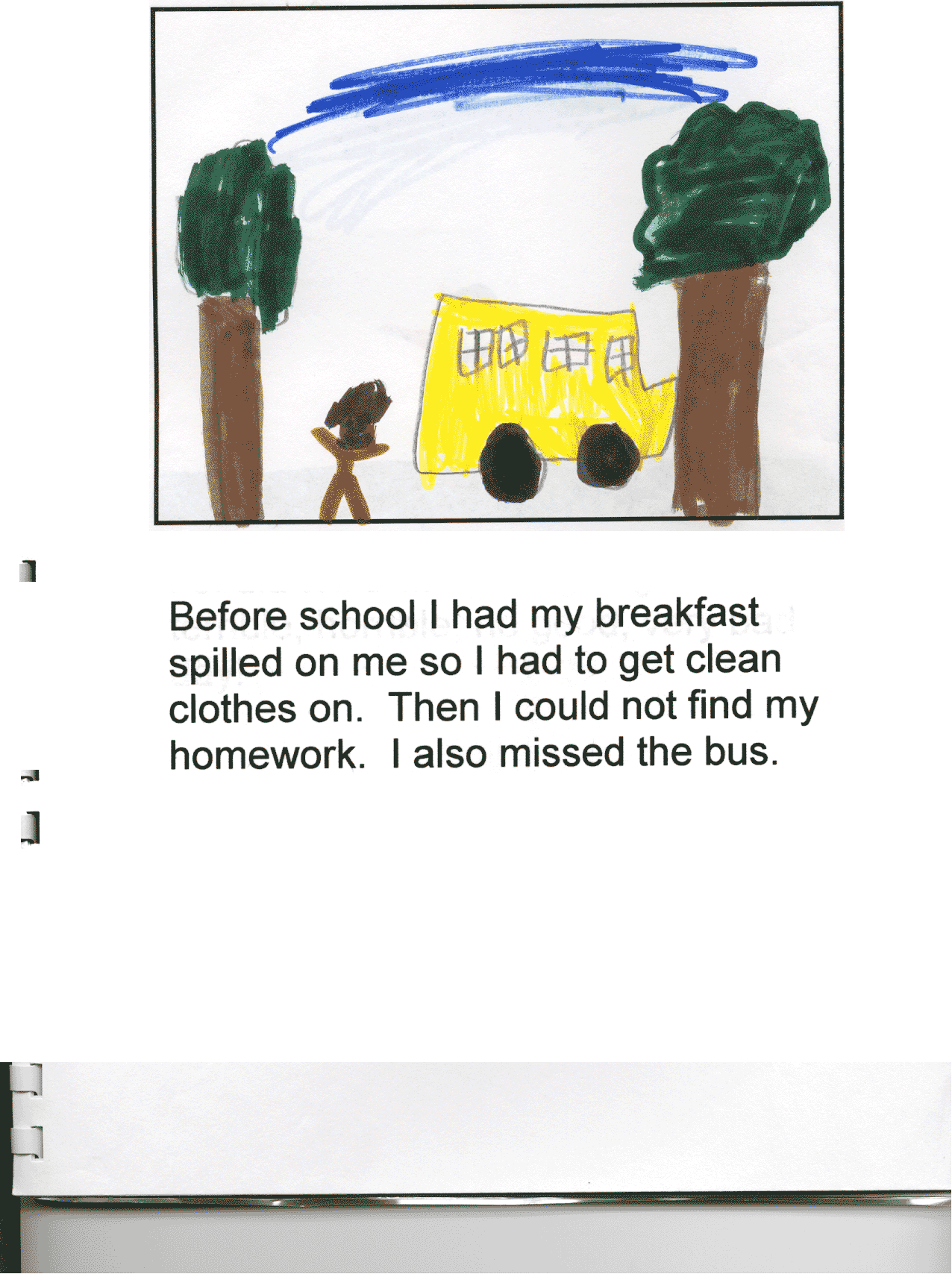
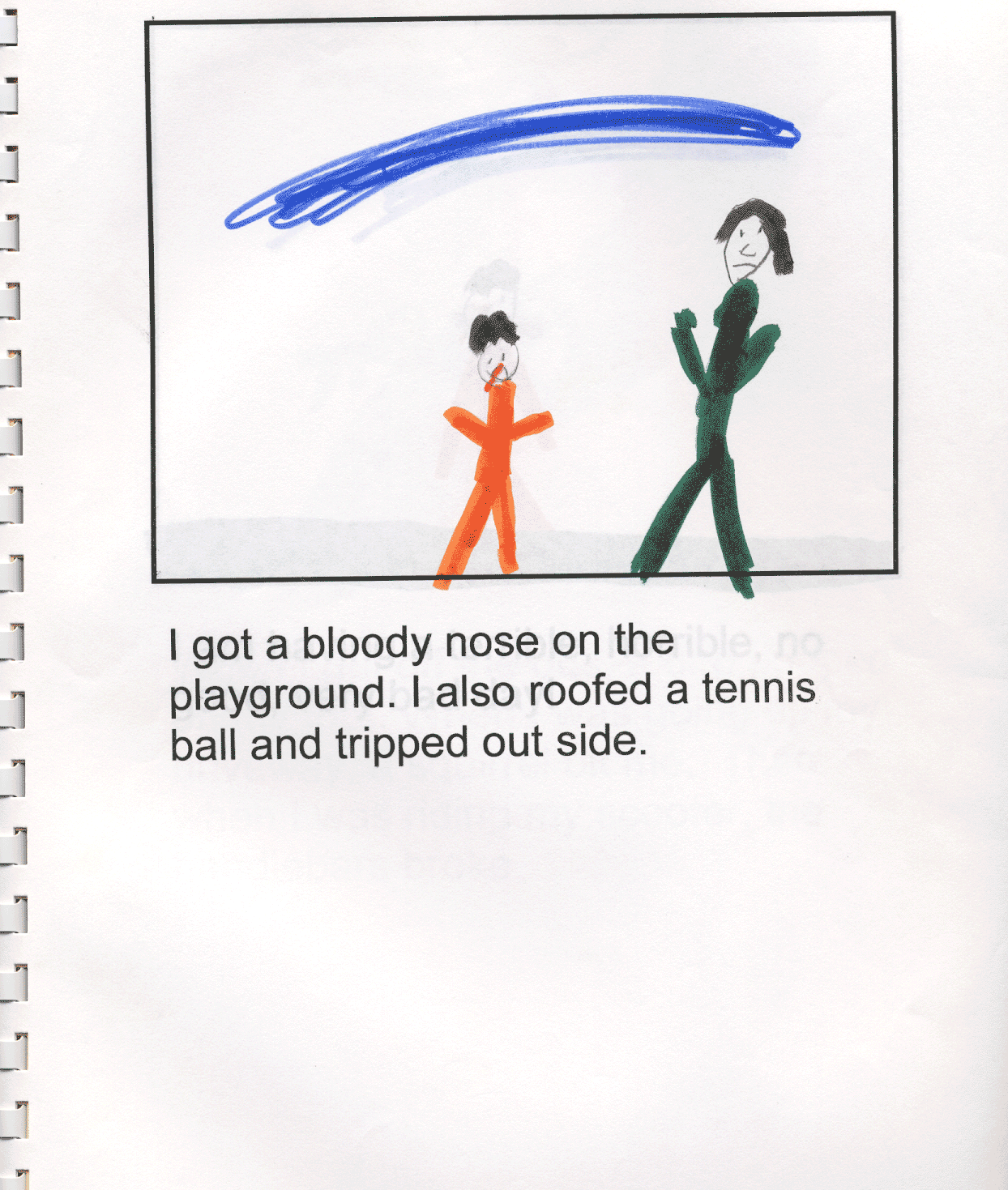
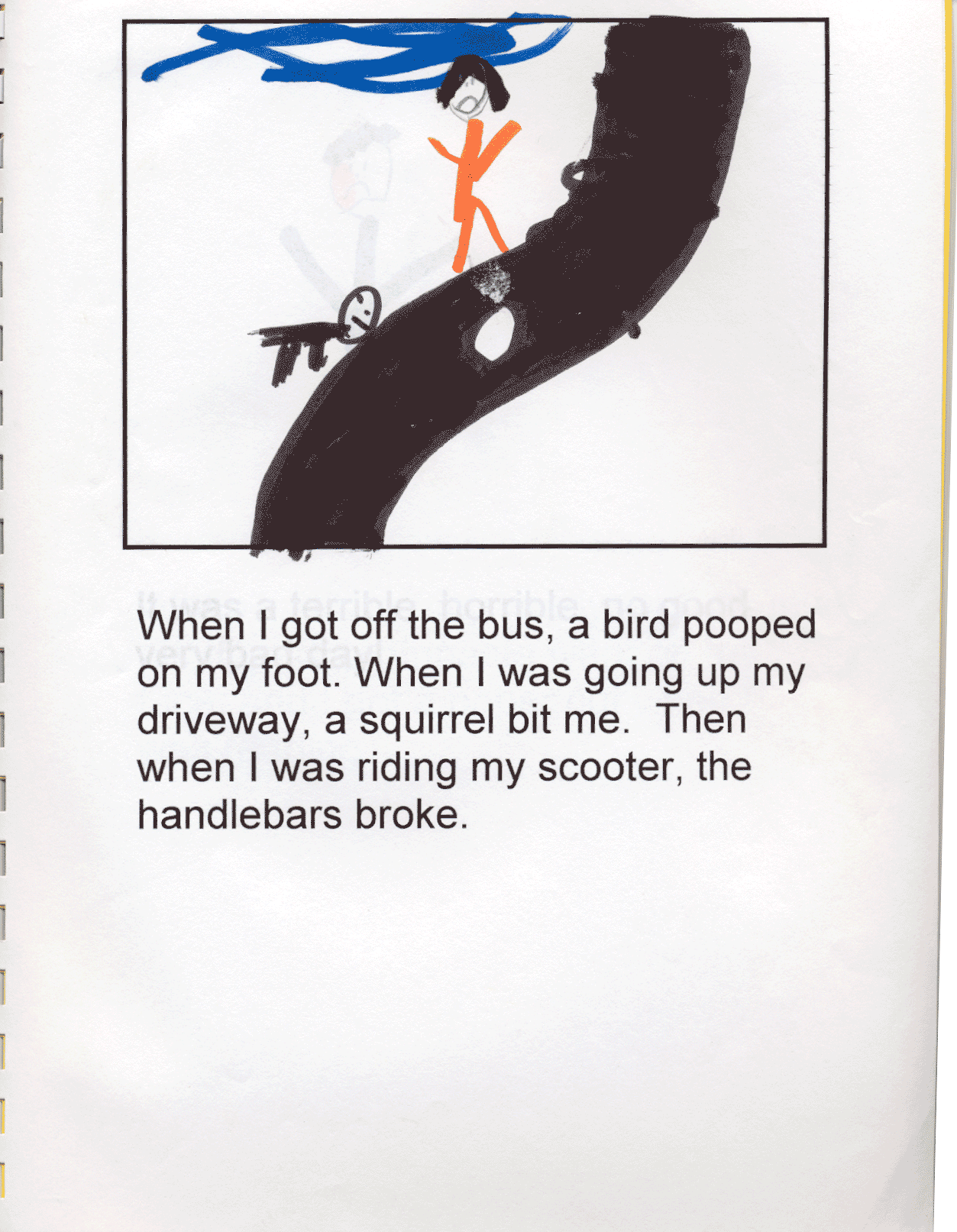
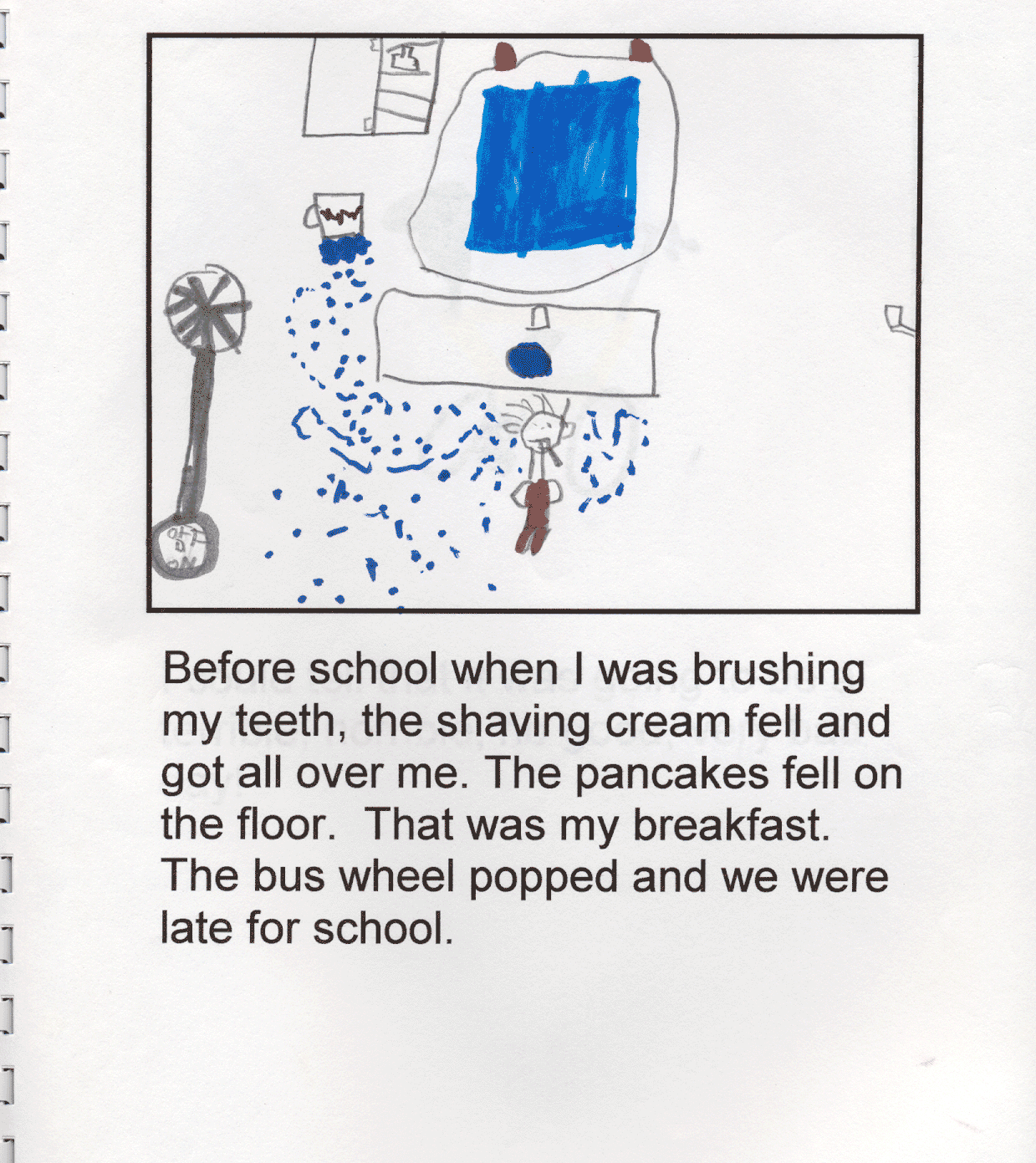
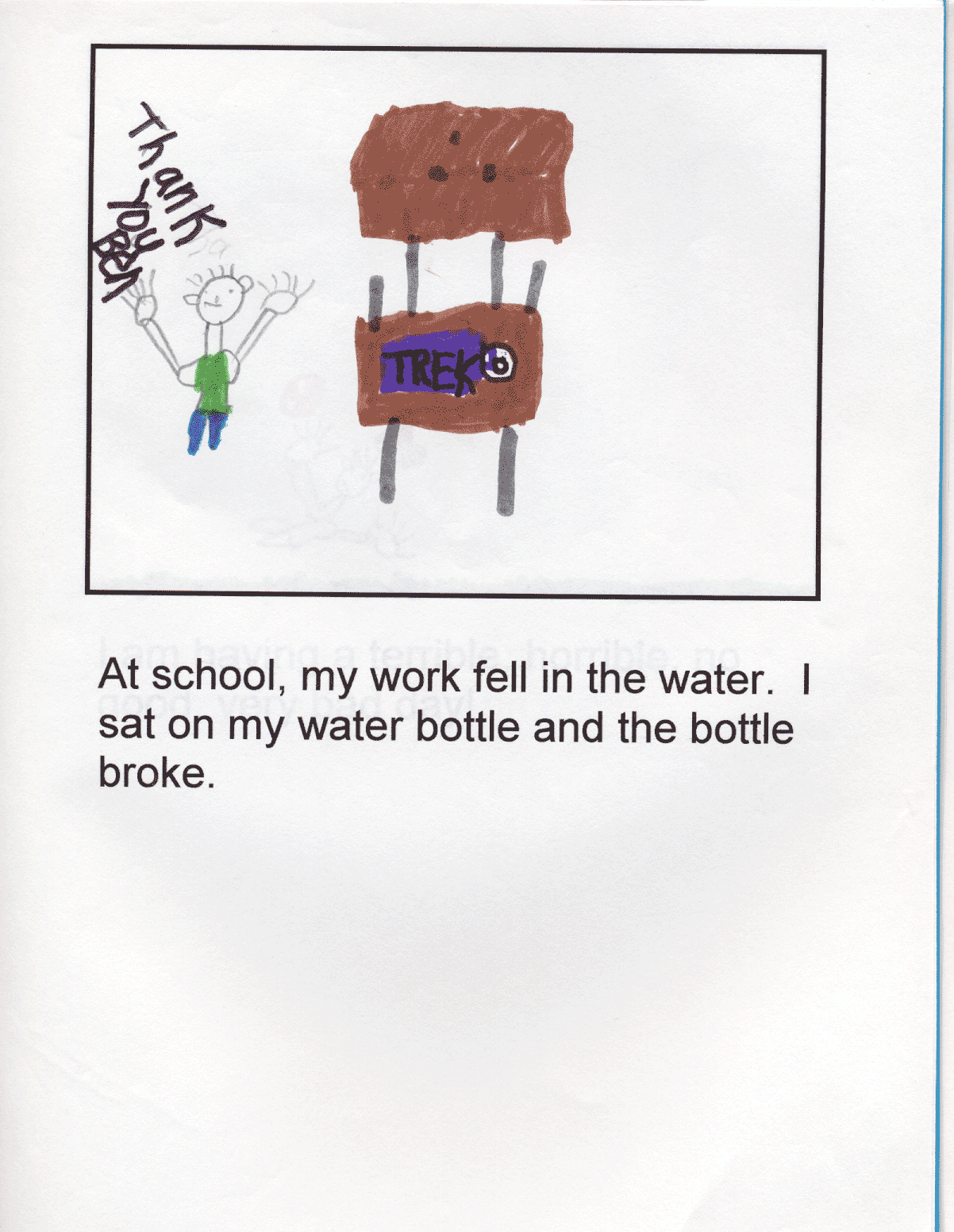
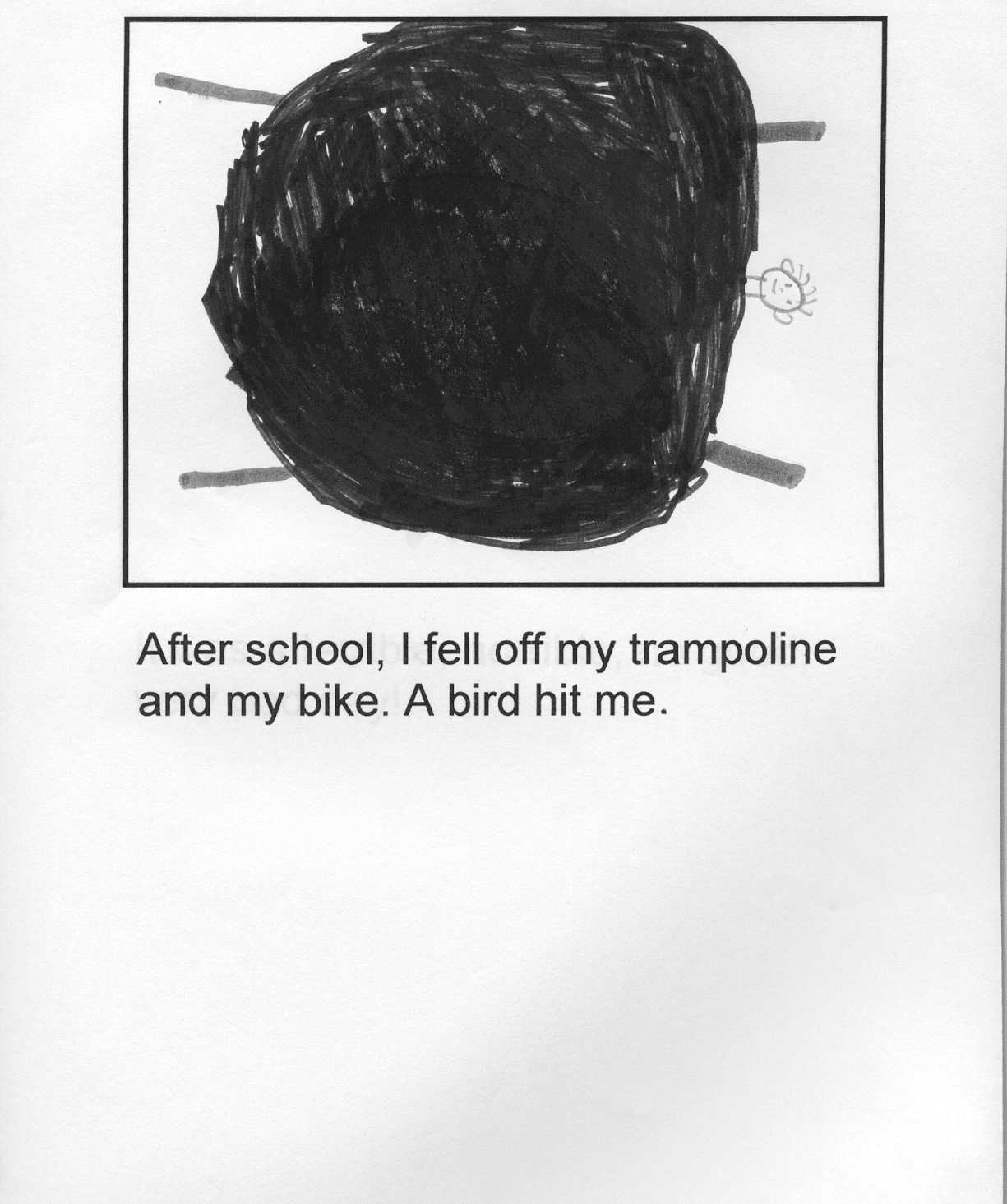
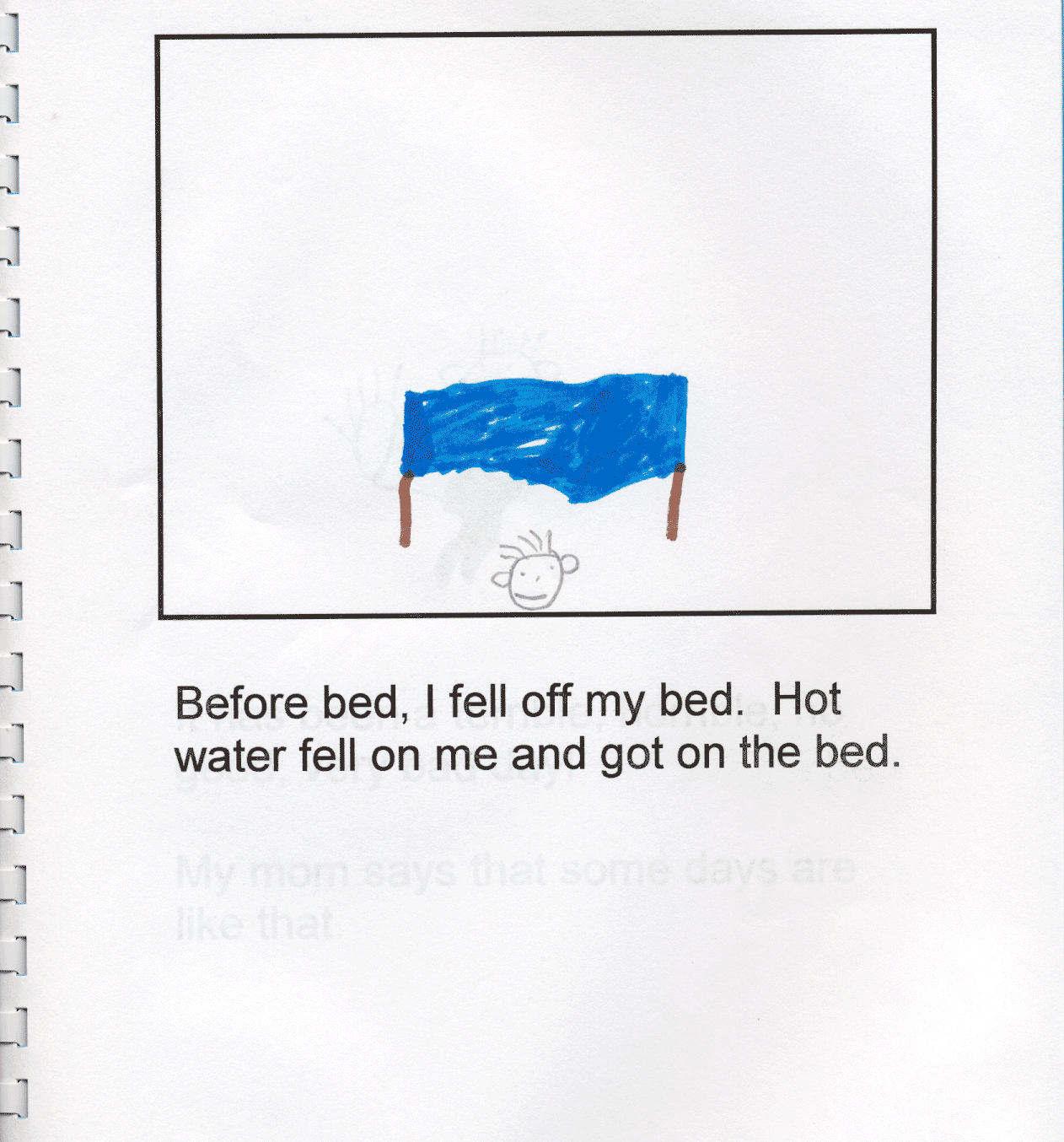
In my judgment, Student #2's writing is proficient. He also demonstrates his ability to complete and use the four square organizer. Phrases on the organizer are likewise incorporated into his sentences and at times, he adds more details in his writing. For example, he does tell what happens when his breakfast spilled on him and where the squirrel bit him. Sentence structure for the most part is correct. However, it is not as sophisticated or varied as Student #1's. Student #2 needed encouragement to use available spelling resources in the room. His illustrations are quite colorful and go nicely with the text but perhaps are not as detailed as Student #1's.
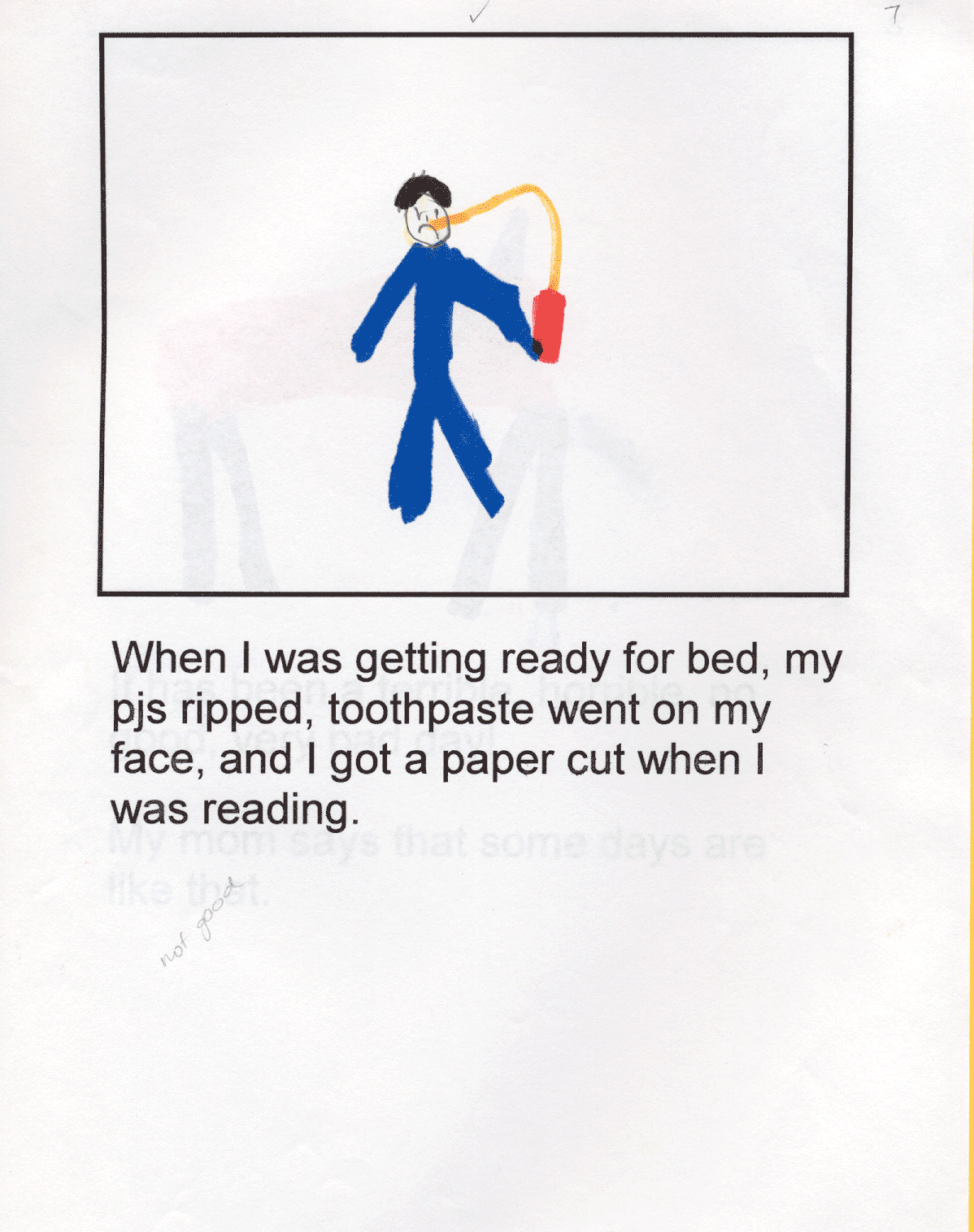
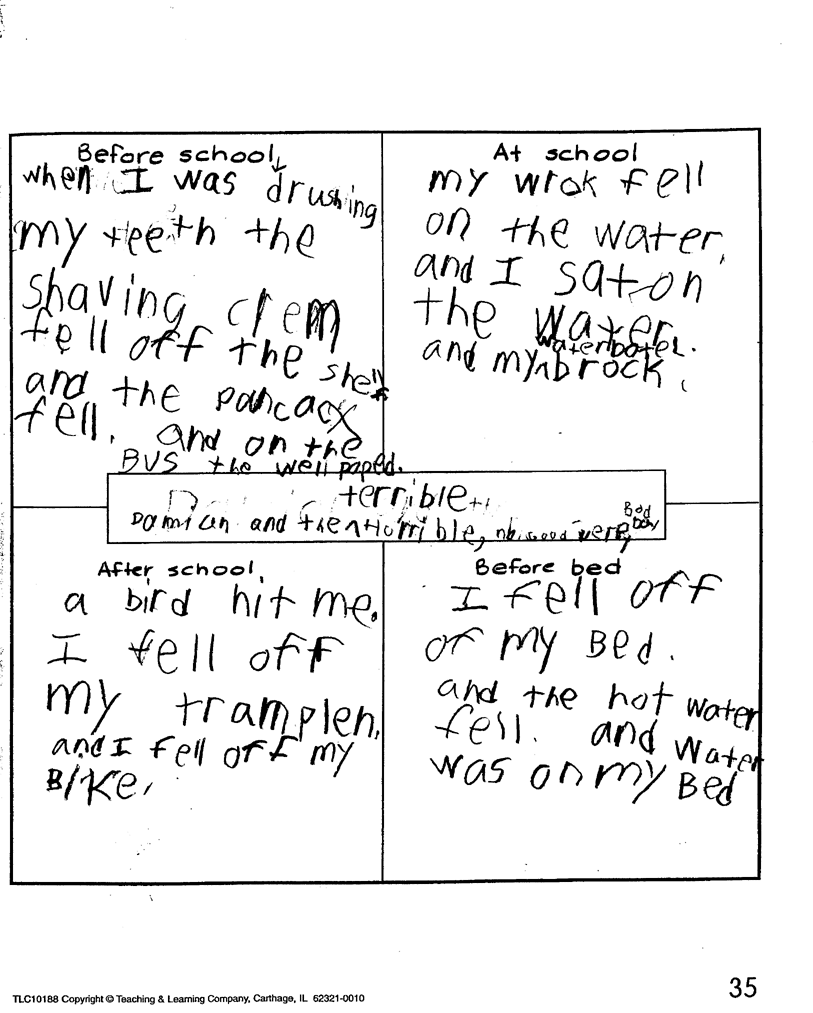
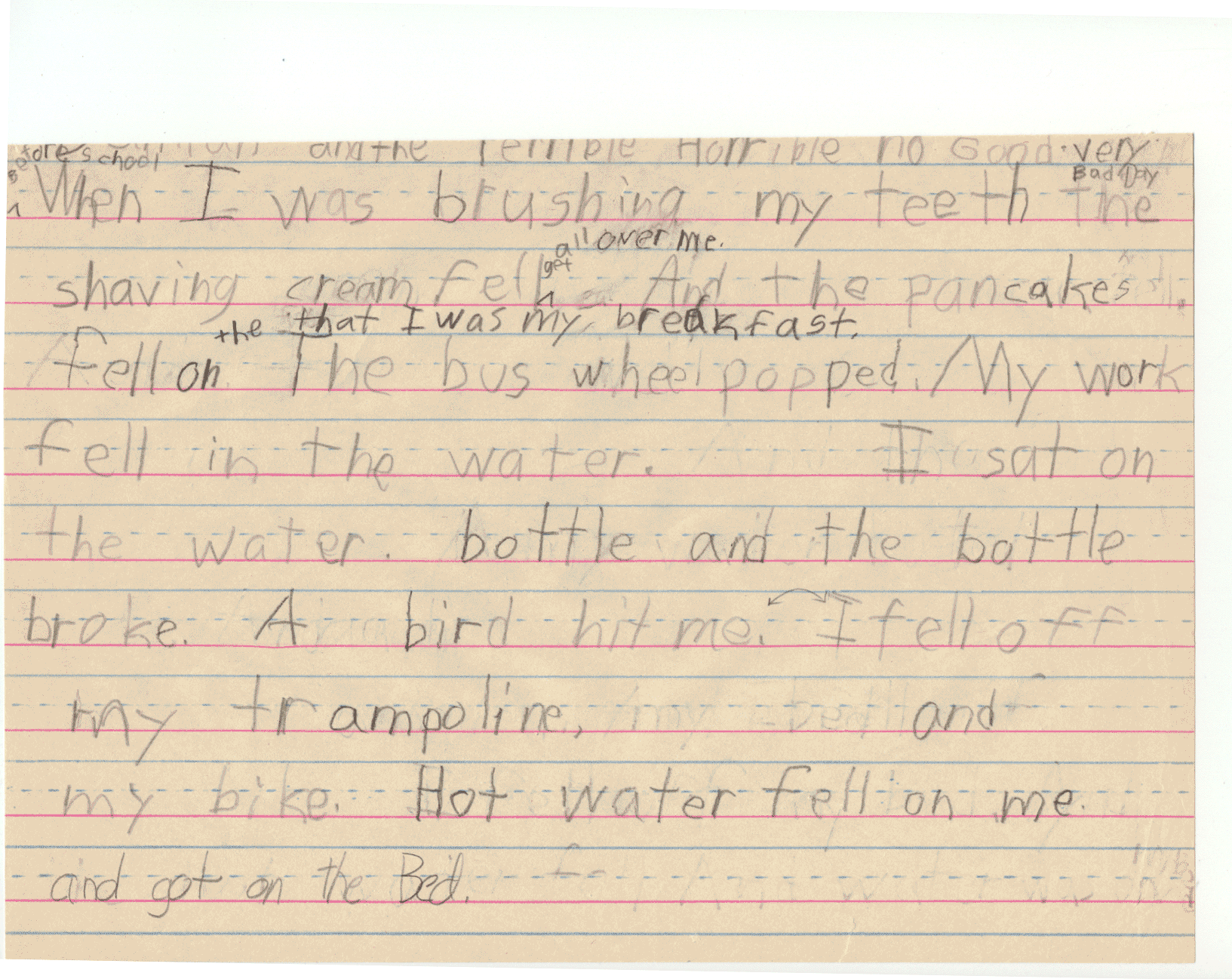
I would evaluate Student #3's writing as developing. When Student #3 completed his four square organizer, the responses in each box were more sentence-like than they needed to be. He really didn't include three separate ideas in each section. He included detail but then Student #3 had a difficult time adding any other information when he was using these ideas to help him write. Looking at his writing, sentence length is much shorter than Student #1's and Student #2's. Most sentences are complete with the exception of the second one. Sentence structure is not as varied. His illustrations are colorful and for the most part go with the sentences that he wrote. Some are more detailed than others.
Click on the links below to view the various parts of the three students' work referenced above.
See attached copies of three students' work.

Related Resource
Handout Materials:
Four Square OrganizerWriting Checklist
Author
Mary Ann Williams
Chancellor Livingston School
Rhinebeck, NY 12572